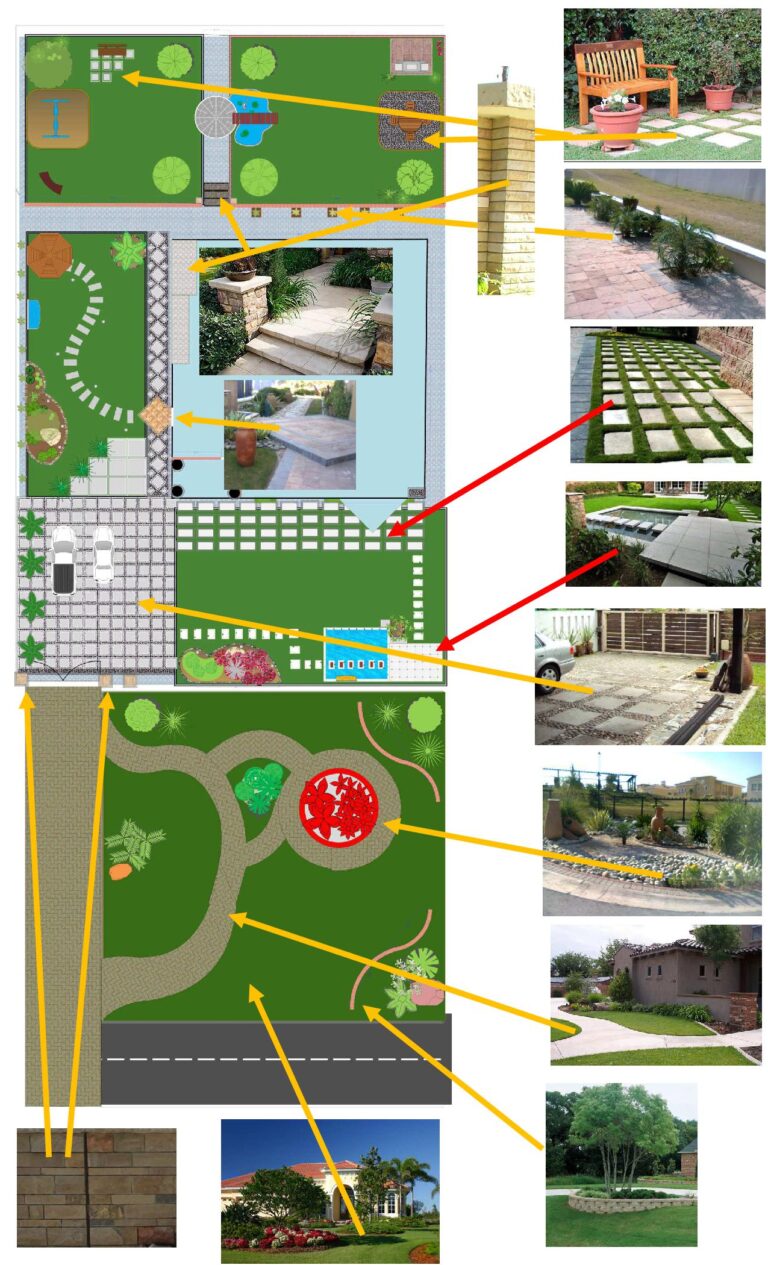
A garden that feels windier than its surroundings is usually experiencing a wind tunnel effect created by the specific arrangement of nearby walls, buildings or open sightlines that channel and accelerate wind through that particular space — a windbreak positioned to interrupt this specific channeling effect is the most direct fix.
Feeling unusually windy compared to a neighbor’s yard or the street itself isn’t random — it typically comes down to how the specific layout of walls, structures and open space around your property is channeling wind in a way that concentrates it right where you’re standing.
Understanding the Wind Tunnel Effect
Gaps between buildings, aligned open sightlines, or specific wall configurations can channel and accelerate wind through a narrow space, similar to how air moves faster through a narrow tunnel than an open field. A garden positioned in the path of this kind of channeling effect genuinely experiences stronger, more consistent wind than the general area around it.
Identifying Where the Wind Is Actually Coming From
Observing which direction wind consistently arrives from, and what structures or gaps sit upstream of your garden in that direction, helps identify the specific channeling cause rather than assuming the whole area is simply windier in general.
Designing a Windbreak That Actually Interrupts the Pattern
An effective windbreak needs to be positioned specifically to interrupt the identified wind path, not just placed generally at the garden’s boundary. A dense hedge, solid wall section, or slatted screen positioned directly in the path of the channeled wind reduces its force considerably more than a windbreak placed without this specific consideration.
Choosing Wind-Tolerant Planting for Exposed Areas
Beyond blocking wind directly, selecting planting genuinely tolerant of consistent wind exposure for the most affected areas of the garden reduces ongoing plant stress and damage, complementing rather than replacing a physical windbreak solution.
Key Takeaways
- A wind tunnel effect from nearby walls or gaps, not general area weather, is often the real cause
- Identifying the specific wind path matters more than placing a generic windbreak anywhere
- Wind-tolerant planting complements a physical windbreak rather than replacing it
Frequently Asked Questions
Why is my garden windier than my neighbor's, even though we're close together?
Specific differences in wall placement, building gaps, or open sightlines between properties can create a wind tunnel effect on one property that a neighboring one, even nearby, doesn't experience to the same degree.
Will a windbreak placed anywhere along my boundary help?
Not necessarily — an effective windbreak needs to be positioned specifically to interrupt the identified wind path, which requires understanding where the channeling effect is actually coming from first.
Need This Fixed at Your Property?
Book a professional consultation to design a windbreak suited to your specific property.
🌿 Get a Quote 💬 WhatsApp Us