What Is Landscaping? Definition, Examples & What Makes a Landscape Beautiful
A clear, no-jargon answer — plus real examples from Jeddah villas and what actually separates a beautiful landscape from a busy one.
Landscaping is the design and shaping of outdoor space using plants (softscape), structures like paving and walls (hardscape), and layout — to make a piece of land both functional and attractive. In Jeddah, that also means designing specifically for salt air, humidity, and heat, not just picking plants that look nice in a photo.
If you’ve ever searched “what is landscaping” while trying to figure out what to actually ask a contractor for, you’re not alone. It’s one of those words everyone uses but few people define clearly. Below is a plain definition, real examples of what landscaping looks like in a Jeddah villa or garden, and what separates a genuinely beautiful landscape from one that just has a lot of plants in it.
What Is Landscaping? A Simple Definition
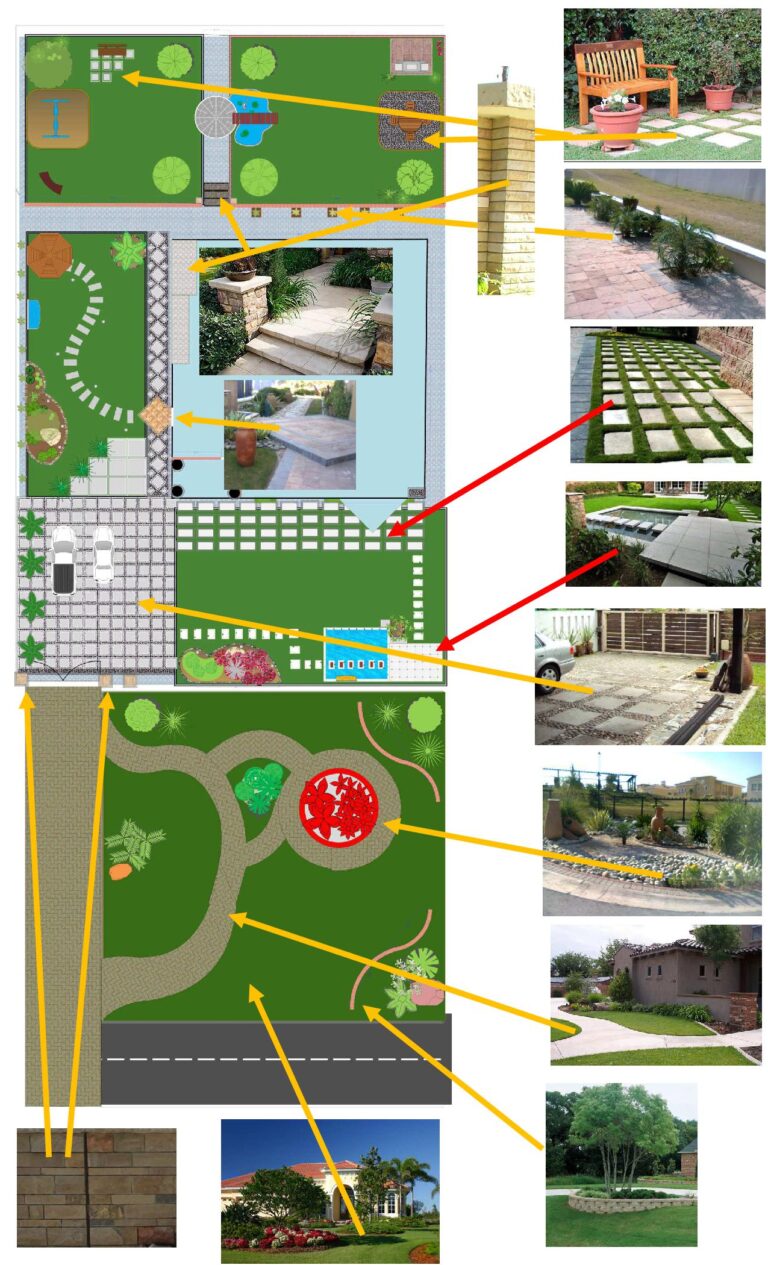
At its core, landscaping is the deliberate design of outdoor space. It covers everything from the plants you choose (softscape) to the paving, walls, and structures you build (hardscape), to how all of it is laid out to actually get used — for sitting, walking, entertaining, or simply looking at from inside the house.
Landscaping is different from just “having a garden.” A garden can happen by accident — someone plants a few things over the years with no overall plan. Landscaping is intentional. It starts with a site visit, a layout, and a reason for every element being where it is.
Landscaping vs Gardening — What’s the Difference?
People use these two words interchangeably, but they’re not quite the same thing. Gardening is about plant care — watering, pruning, feeding, replanting. It’s an ongoing activity. Landscaping is the broader design discipline: deciding what goes where, choosing materials, planning irrigation and drainage, and shaping the space as a whole. Gardening is something you do inside a landscape that’s already been designed.
Real Examples of Landscaping in Jeddah
The clearest way to understand landscaping is to see what it actually produces. Here are common examples we build across Jeddah villas and gardens:
A courtyard garden with a shaded seating corner
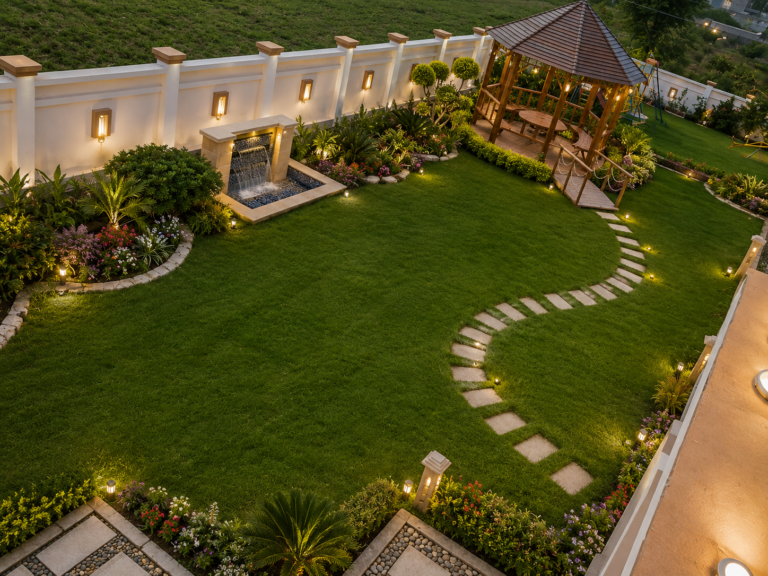
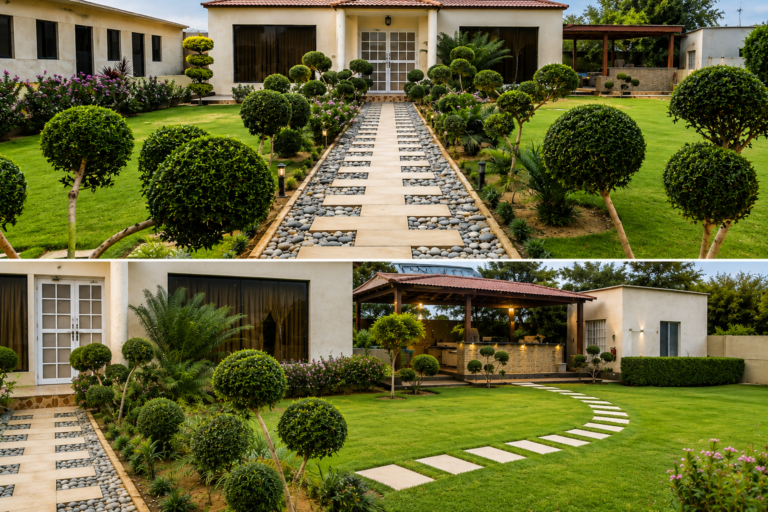
Date palms and jasmine planted around a stone-paved courtyard, with a pergola-covered seating area positioned to stay shaded through the afternoon.
A coastal villa front yard in Al Shati
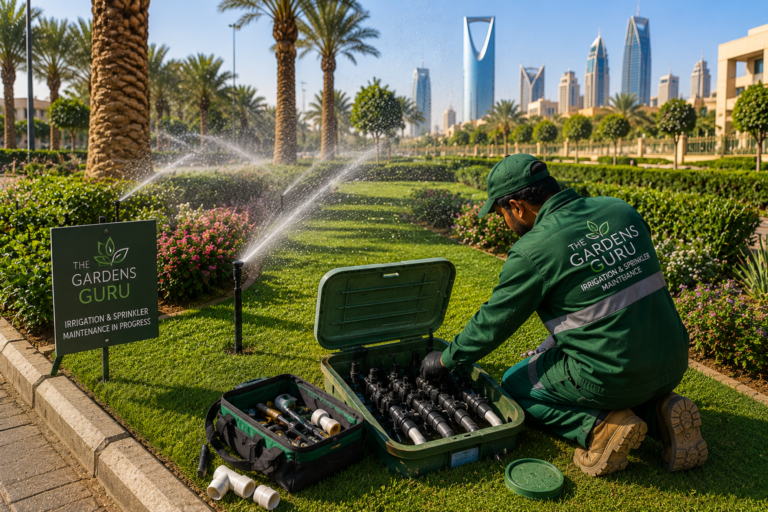
Salt-tolerant shrubs like oleander lining the boundary wall, gravel beds instead of thirsty lawn, and a simple drip irrigation system running on a timer.
A pool-adjacent backyard in Obhur
Light-colored stone decking around the pool, tropical planting positioned away from splash zones, and warm uplighting on palms for evening use.
A small reflective water feature near a majlis
A shallow, wall-mounted water feature that adds a cooling visual effect without the maintenance or mosquito risk of an open pond.
Each of these is a “landscape” in the technical sense — a piece of outdoor space where plants, structure, and layout were considered together, not added one at a time with no plan.
What Makes a Landscape Beautiful?
There isn’t one official term for a beautiful landscape, but designers generally describe a well-executed one as balanced or cohesive — meaning every element supports the others instead of competing for attention. A few things consistently separate a beautiful landscape from a cluttered one:
Balance between hardscape and softscape
Too much paving feels harsh and hot. Too much planting with no structure feels wild and hard to maintain. The best Jeddah gardens sit somewhere around 40-60% hardscape depending on how the space is used.
Plant choice suited to the climate
A landscape only stays beautiful if the plants actually survive. Choosing species that thrive in Jeddah’s humidity and salt air matters more here than almost any other design decision.
A clear focal point
Whether it’s a water feature, a mature palm, or a shaded majlis, a landscape with one clear focal point reads as intentional rather than scattered.
Realistic maintenance
A landscape that looks stunning for six months and then declines isn’t beautiful — it’s temporary. Good design accounts for how the space will actually be cared for long-term.
Frequently Asked Questions
What is the definition of landscaping?
Landscaping is the design and shaping of outdoor space using plants, hardscape structures, and layout to make land functional, attractive, and suited to how people actually use it.
What is an example of a landscape?
A villa courtyard with date palms, a stone pathway, a shaded majlis, and a drip-irrigated flower bed is a landscape — any outdoor area shaped by both plants and structure counts.
What do you call a beautiful landscape?
There’s no single official term, but landscape designers often describe a well-executed one as “balanced” or “cohesive” — meaning the planting, hardscape, and layout work together rather than competing.
Is landscaping the same as gardening?
No. Gardening focuses on plant care — watering, pruning, planting. Landscaping is the broader design discipline that includes gardening plus hardscape, layout, irrigation, and lighting.
What are the main elements of a landscape design?
Most landscapes combine softscape (plants, lawn, soil), hardscape (paving, walls, structures), and utility elements (irrigation, lighting, drainage) into one cohesive layout.
See What Landscaping Looks Like on Your Own Property
Reading about landscaping is one thing — seeing it mapped onto your actual plot is another. Our Jeddah team can walk your property and show you exactly where a courtyard, water feature, or shaded seating area would work best.
🌿 Book a Professional Site Visit